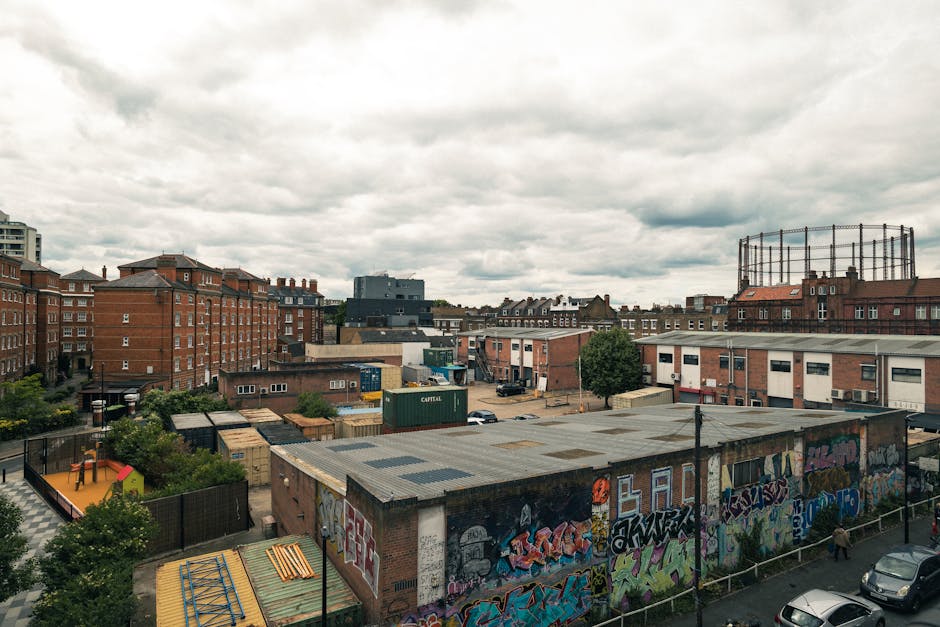
Moving tips for Hackney Wick to Victoria Park removals
Posted on 06/06/2026 by Justin Morris
Moving tips for Hackney Wick to Victoria Park removals: a practical guide for a smoother local move
If you're planning a move from Hackney Wick to Victoria Park, you're probably looking for something a bit more useful than vague packing advice and a cheerful "don't forget to label the boxes." Fair enough. Local moves still have their own quirks: tight stairwells, parking uncertainty, last-minute access issues, and the small but annoying detail that one badly packed box can slow everything down. This guide to Moving tips for Hackney Wick to Victoria Park removals focuses on what actually helps in real life, from planning and packing to timing, transport, and settling in without the usual chaos.
Whether you're moving a flat, a family home, a studio, or a small office setup, the key is to stay organised and realistic. You don't need perfection. You need a plan that works on moving day, when the kettle is packed somewhere unhelpfully deep inside a box marked "misc."

Why Moving tips for Hackney Wick to Victoria Park removals Matters
A short move across East London can look simple on a map and still feel surprisingly demanding on the day. Hackney Wick and Victoria Park are close, yes, but closeness does not automatically mean ease. The route can be affected by traffic, roadworks, parking pressure, school runs, park events, and the general London habit of making a 10-minute journey take longer than expected.
Good moving tips matter because they help you reduce friction before it starts. That means fewer damaged items, fewer delays, and fewer awkward moments where a sofa is halfway out the door while someone realises the van can't stop where planned. It also means you can move in a way that suits your life, not just the clock.
For many people, this kind of move sits somewhere between "easy local hop" and "surprisingly fiddly." That's exactly where a bit of experience goes a long way. You're not moving across the country, but you still need structure, especially if you want to avoid paying for unnecessary extra time or making the process feel more stressful than it has to be.
Expert summary: The smoother local removals are usually the ones planned as if they were bigger than they look. That sounds odd, but in practice it means padding your schedule, preparing access details early, and packing with the vehicle load in mind.
For readers comparing local moving support, it can also help to explore broader removal services overview and practical packing guidance like packing and boxes support before the move date gets too close.
How Moving tips for Hackney Wick to Victoria Park removals Works
At a practical level, a move from Hackney Wick to Victoria Park works best when you think in three layers: preparation, transport, and settling in. Most stress comes from mixing those layers together. For example, people often pack while also trying to plan the route, confirm parking, and decide what should be taken first. That is a lot to hold in your head at once, and it rarely ends well.
A better approach is to split the move into clear stages:
- Prepare the property by decluttering, measuring large furniture, and checking access points.
- Pack by priority so the essentials are easy to reach and fragile items are protected properly.
- Arrange transport around access, van size, loading order, and parking conditions.
- Move in sequence so heavier items go in first and rooms at the new place are unpacked in a sensible order.
- Finish with quick setup tasks like bedding, kettle, basic toiletries, and device charging.
That sequence sounds almost too tidy, doesn't it? In the real world, there will always be a loose cable, a drawer full of random chargers, or a bookshelf that turns out to weigh more than expected. Still, having the sequence gives you something solid to work from.
If your move involves bulky or awkward items, it's worth checking whether specialist help is needed. Services such as furniture removals in Hackney and man and van support in Hackney can make a straightforward local move much easier to control.
Key Benefits and Practical Advantages
A well-planned move between these two nearby neighbourhoods delivers more than convenience. It helps protect your time, your belongings, and your sanity. That last one counts, by the way.
- Less downtime: You can often complete the move in a single day if packing and access are managed properly.
- Lower damage risk: Good packing and correct loading reduce the chance of broken glass, scuffed furniture, or snapped handles.
- Better cost control: Fewer delays usually mean fewer added charges for extra time, extra trips, or improvised problem-solving.
- Less physical strain: Moving boxes up and down stairs in a hurry is where people pull a muscle they didn't know they had.
- More confidence on the day: When everyone knows what's happening, the whole move feels calmer. Simple, but powerful.
There's also a hidden benefit: good planning gives you room to adapt. If the van can't park exactly where hoped, or if a wardrobe needs to come apart, you have enough margin to handle it without the whole day spiralling.
For those moving flats in particular, local planning matters even more. A compact route does not eliminate stair access, lift waiting times, or narrow hallways. If that sounds familiar, have a look at flat removals in Hackney and, for larger households, house removals support can be more appropriate.
Who This Is For and When It Makes Sense
This guide is especially useful if you're moving from Hackney Wick to Victoria Park and want a move that feels organised rather than reactive. That includes renters, first-time movers, families, sharers, students, and small businesses relocating a few streets or neighbourhoods over.
It tends to make the most sense when:
- you have a fixed move-out and move-in date
- you're moving furniture or fragile items
- you need to work around access constraints
- you want to keep the move in one trip if possible
- you're comparing moving help, van hire, or full removal support
- you need temporary storage during a gap between properties
If you're a student, for example, you may want something quicker and lighter-touch than a full house move. That's where student removals in Hackney can be a sensible fit. If you're relocating a home office, then office removals may be the better match.
Truth be told, the biggest mistake people make is assuming all local moves are basically the same. They're not. A one-bedroom flat with no lift is a different beast from a ground-floor studio with easy access and light furniture.
Step-by-Step Guidance
1. Start with a realistic inventory
Before any boxes are packed, list what you actually own. Not what you think you own. What's really there. The spare chair, the kettle in the back of the cupboard, the plant you've been meaning to re-pot for months, the exercise bike that somehow became a clothes rack. It all counts.
Separate items into three groups: keep, move, and donate or dispose of. If you haven't used something in over a year, ask whether it deserves a place in the van. A smaller load is usually a cheaper, calmer load.
2. Measure bulky items and access points
Doors, stair turns, hallway widths, lift sizes, and furniture dimensions matter. One of the most frustrating moving-day problems is discovering a sofa fits your old place but not the staircase. A quick measurement session can save a lot of awkward manoeuvring.
For oversized or delicate pieces, especially awkward tables, wardrobes, or heirloom furniture, specialist furniture removals can reduce risk and save time.
3. Pack in the right order
Pack room by room, and label each box with both the room name and a short content note. "Kitchen - pans and mugs" is useful. "Stuff" is not. Neither is "misc," despite how often people fall back on it.
Put the essentials somewhere you can reach them fast: documents, chargers, toiletries, kettle, medication, snacks, and a change of clothes. Keep this bag with you rather than on the van.
4. Confirm parking and timing
Local parking is often the detail that makes or breaks a smooth move. Make sure you know where the vehicle can stop, how close it can get, and whether there are loading restrictions. Even a short walk from the van to the building can add a lot of time if you've got several heavy boxes.
Morning moves often work well because the day is still relatively calm. But not always. If your building, road layout, or work schedule suggests an afternoon start, then use that. The "best" time is the one that fits your access.
5. Load the van strategically
Heavy items should usually go in first, with lighter boxes stacked carefully on top or around them. Keep fragile items separated and secure. Blankets, straps, and shrink wrap can make a big difference here. Nothing fancy. Just sensible load management.
This is also where the right vehicle matters. If you're not sure what van size suits the job, a removal van in Hackney or a smaller man with a van service can be matched to the contents rather than guessed at the last minute.
6. Unpack by priority, not by emotion
When you arrive at Victoria Park, resist the urge to open every box at once. Start with essentials and furniture placement, then move to kitchen basics and bedding. After that, you can take your time. That first evening is for function, not full life administration.
To be fair, by the time you've found the charger, you'll already feel half settled.
Expert Tips for Better Results
The small details tend to create the biggest gains. Here are a few practical tips that consistently help with local East London moves.
- Use coloured labels: A coloured sticker or marker for each room helps movers and helpers place items faster.
- Photograph cable setups: Before disconnecting TVs, desks, or audio gear, take a quick picture. Future you will be grateful.
- Keep hardware together: Put screws, bolts, and shelf brackets in labelled bags and tape them to the furniture if appropriate.
- Protect corners: Table corners and wardrobe edges chip easily during short moves, oddly enough more often than people expect.
- Have a clear "do not load" zone: This should include passports, keys, prescriptions, phones, and laptop chargers.
- Plan for weather: A rainy London morning can turn a smooth move into a wet one very quickly. Cardboard and drizzle are not friends.
One small but useful habit is creating a "first-night" box. Put in tea bags, mugs, toilet paper, a torch, phone chargers, basic snacks, and bed linen. It's not glamorous, but at 9:30pm it feels like genius.
If your move involves valuable or fragile items, it's worth reviewing insurance and safety guidance before moving day. You want to understand what level of protection is sensible, not just assume everything is covered automatically.

Common Mistakes to Avoid
People rarely get moving wrong because they're careless. More often, they simply underestimate how many tiny tasks are involved. The move looks manageable right up until the last 12 hours. Then the wheels wobble a bit.
- Leaving packing too late: Even a small flat takes longer than expected when you're also answering texts and trying to find tape.
- Overfilling boxes: Heavy boxes are harder to carry and easier to break. Books especially are a classic culprit.
- Not checking access: A van can only help if it can actually park close enough to load efficiently.
- Ignoring item priority: If you pack essentials with the winter coats and fairy lights, you'll spend your first hour digging.
- Forgetting decluttering: Moving things you no longer want is a waste of energy and space.
- Underestimating awkward furniture: Flat-pack items can still be awkward, and solid wood pieces are often heavier than they look.
Another common issue is failing to account for storage. If your move-out and move-in dates don't line up neatly, temporary storage can make life much easier. A sensible option is to look into storage in Hackney or read more about storage solutions during a move if you need a buffer between properties.
Tools, Resources and Recommendations
You don't need a van full of specialist gear to move well, but a few basic tools make a noticeable difference. A practical setup usually includes:
- strong cardboard boxes in mixed sizes
- packing tape and a dispenser
- marker pens or colour labels
- bubble wrap or paper for fragile items
- furniture blankets
- ratchet straps or tie-downs
- sack truck or trolley for heavier boxes
- zip bags for screws and loose fittings
If you're buying packing materials, look for sturdy boxes rather than whatever happens to be free and available. Free boxes can be fine, but they should be clean, dry, and structurally sound. A damp banana box from a shop basement is not the thrilling shortcut it sounds like.
For extra reading and support, these can be especially useful:
- packing and boxes advice for organising supplies and choosing box sizes
- removals in Hackney for broader moving support
- removal services in Hackney if you need a more complete service
- same-day removals in Hackney if your timings change suddenly
If you're comparing providers, it also helps to look at practical details like payment security and how quotes are handled. A service with clear terms and transparent payment processes usually gives you fewer surprises later. For that, see payment and security information and pricing and quotes.
Law, Compliance, Standards, or Best Practice
For a local move like this, the legal side is usually straightforward, but it still matters. If you're arranging removals in London, good practice means checking that the business you use operates safely, communicates clearly, and handles your belongings with reasonable care. If a provider refers to insurance, terms, or health and safety, that should be readable and consistent, not buried in vague wording.
It is also wise to understand your own responsibilities as a tenant, leaseholder, or homeowner. That may include giving proper notice, returning keys on time, protecting shared hallways, and respecting building access rules. If your property has a lift booking system or a management office, sort that out early. Waiting until the day before is asking for trouble.
In terms of best practice, the moving industry generally rewards straightforward things: accurate inventories, sensible loading, safe lifting, and clear communication. No mystery there. If you have delicate or heavy pieces, ask how they'll be handled. If you need to store items temporarily, check how they are protected and accessed. If you want reassurance about ethical and responsible operations, you can also review company information such as health and safety policy, recycling and sustainability, and about the company.
Small move, yes. But the same standards still apply. That's the point.
Options, Methods, or Comparison Table
If you're moving from Hackney Wick to Victoria Park, you'll usually choose between doing it yourself, using a man and van, or booking a fuller removal service. The best option depends on volume, access, time, and how much lifting you want to do yourself.
| Option | Best for | Strengths | Trade-offs |
|---|---|---|---|
| DIY move | Very small loads, low-budget moves | Lower direct cost, full control | More labour, more stress, more trips, more risk of damage |
| Man and van | Small to medium local moves | Flexible, efficient, often cost-effective for short distances | You may still need to pack and organise access yourself |
| Full removal service | Medium to large homes, fragile items, busy schedules | More support, better for heavy lifting and coordination | Typically more expensive than a basic transport-only option |
There's no universal winner here. If you only have a few boxes and a bike, a smaller arrangement may be enough. If you're moving wardrobes, glass tables, and half a kitchen, it becomes a different conversation entirely.
If you're still deciding, it may help to compare broader service types like man and van, removal companies in Hackney, and removal van options to see what suits the move size and your timeline.
Case Study or Real-World Example
Here's a realistic example. A couple moving from a second-floor flat in Hackney Wick to a one-bedroom apartment near Victoria Park wanted the move done in one morning. They had a bed frame, a sofa, several boxes of books, kitchen items, and a few bulky plants. Nothing extreme, but enough to become awkward if left to chance.
They started by decluttering early and separating one full bag of items for donation. That alone made a difference. The sofa was measured against the stairwell in advance, which turned out to be useful because the turning point was tighter than expected. Packing began room by room, with one "first-night" box set aside for bedding, mugs, toilet paper, and chargers.
On the day itself, the van was booked for a time that avoided the busiest part of the morning. Loading followed the planned order: bed components, sofa, fragile kitchen boxes, then lighter items. The move stayed calm because there were no big surprises. A couple of boxes were re-labelled on the spot. One plant got moved last because, naturally, it was the one item that refused to fit neatly anywhere. Small thing, but it mattered.
The result? The couple were unpacking essentials by early afternoon rather than spending the whole day hunting for basics. No dramatic ending, just a smoother day. Which is exactly what a local move should feel like.
Practical Checklist
Use this checklist the week before moving from Hackney Wick to Victoria Park.
- Confirm your moving date and access times
- Measure large furniture and key doorways
- Decide what to keep, donate, recycle, or store
- Collect boxes, tape, labels, and packing materials
- Pack non-essential items first
- Prepare a first-night essentials bag
- Book parking or loading space if needed
- Check whether any item needs special handling
- Set aside important documents and valuables
- Review insurance, payment, and terms if using a moving service
- Charge phones and power banks the night before
- Defrost and clean the fridge if it's being moved
- Keep keys, IDs, and access codes somewhere safe
Quick takeaway: if you can't find something in the first 12 hours after the move, it should probably have been in the essentials bag.
Conclusion
Moving from Hackney Wick to Victoria Park doesn't have to become a big production. With the right planning, a clear packing sequence, and a realistic understanding of access and transport, it can be a straightforward local move that feels manageable from start to finish. The biggest wins usually come from the boring-looking tasks: measuring furniture, labelling boxes properly, keeping essentials close, and choosing the right kind of help for the size of the job.
That's really the heart of these Moving tips for Hackney Wick to Victoria Park removals: make the day simpler before it starts. A bit of preparation now saves a lot of scrambling later, and honestly, that calmer first evening in the new place is worth it.
Get a free quote today and see how much you can save.